dioxus vs fyne
Rust and Go cross-platform UI frameworks compared
dioxus and fyne both help developers build cross-platform applications from shared code. dioxus uses Rust and covers web, desktop, and mobile, while fyne uses Go and focuses on desktop and mobile apps.
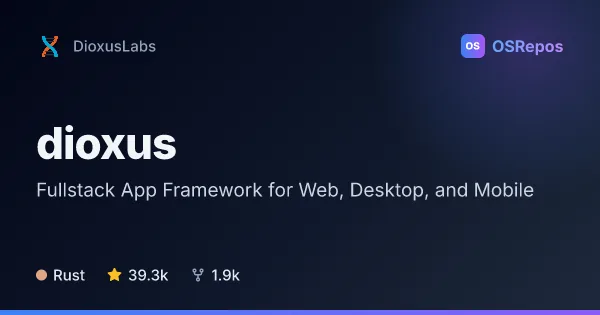
dioxus: Build Cross-Platform Apps with Rust
Dioxus is a Rust UI framework for building web, desktop, and mobile apps from a shared codebase. It combines reactive UI, development tooling, and optional fullstack features for teams that want Rust across client and server.
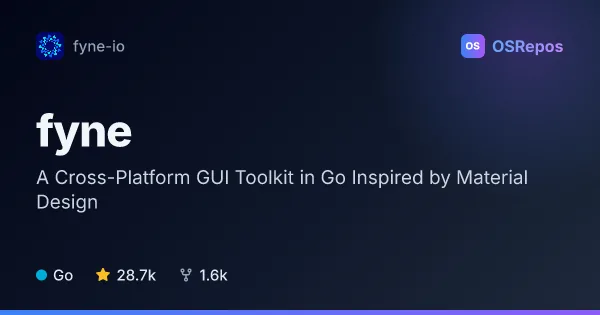
fyne: Build Cross-Platform Apps with Go
Fyne is a Go UI toolkit for building desktop and mobile applications from a shared codebase. It suits Go developers who want a portable graphical interface without requiring users to install separate libraries.
| dioxus | fyne | |
|---|---|---|
| Language | Rust | Go |
| License | Apache-2.0 | BSD-3-Clause |
| Stars | 39.3k | 28.7k |
| Forks | 1.9k | 1.6k |
| Last analyzed | Oct 3, 2026 | Oct 3, 2026 |
Key differences
- dioxus targets web, desktop, and mobile; fyne targets desktop and mobile.
- dioxus builds interfaces with components, RSX markup, and signals-based state; fyne offers reusable widgets and layout containers.
- dioxus includes server-side rendering and server functions for fullstack Rust applications; fyne is a Go UI toolkit and app API.
- dioxus is licensed under Apache-2.0; fyne is licensed under BSD-3-Clause.
- dioxus offers WGPU rendering as an experimental option; fyne supports light and dark themes and mobile simulation mode.
- fyne requires Go 1.22 or later, a C compiler, and platform development tools; dioxus uses Rust and its `dx` CLI for development and bundling.
Choose dioxus if you…
- need web, desktop, and mobile targets from a shared Rust codebase.
- want Rust UI development with options for server-side rendering and server functions.
- need a Rust development CLI with a development server and asset hot-reloading.
Choose fyne if you…
- want to build desktop and mobile interfaces in Go.
- need reusable widgets, layout containers, and light or dark themes.
- want tools for mobile simulation and packaging apps for Android or iOS.
Compare the numbers side by side, or add more projects
This comparison is generated with AI from the OSRepos analyses of both projects. Always check each project's repository and documentation before choosing.