graphify vs code-review-graph
Code knowledge graphs compared
graphify and code-review-graph both map code structure into queryable graphs for developers and AI coding tools. graphify also connects documentation and other project files, while code-review-graph focuses on change impact and targeted review context.
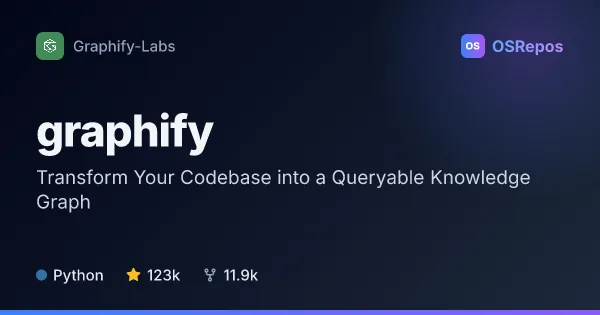
graphify: Turn Codebases into Queryable Knowledge Graphs
Graphify builds a queryable knowledge graph from code, documentation, schemas, and other project files. It helps developers and AI coding assistants explore relationships, trace paths, and understand codebases without relying on a vector store.
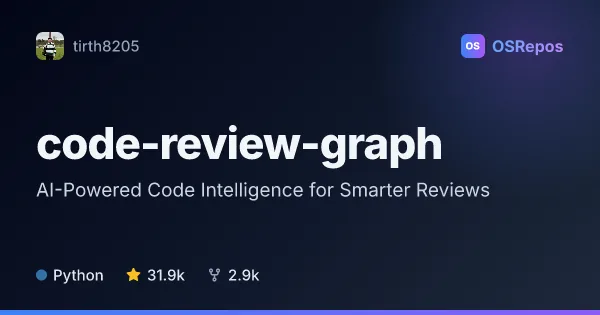
code-review-graph: Map Code for AI Reviews
code-review-graph builds a local, persistent map of code structure and serves targeted review context to AI coding tools through MCP and a CLI. It suits teams working in large or interconnected repositories who want impact analysis without repeatedly scanning the whole codebase.
| graphify | code-review-graph | |
|---|---|---|
| Language | Python | Python |
| License | Apache-2.0 | MIT |
| Stars | 124k | 31.9k |
| Forks | 11.9k | 2.9k |
| Last analyzed | Oct 3, 2026 | Oct 3, 2026 |
Key differences
- graphify can include documents, media, schemas, and configuration files; code-review-graph focuses on code entities and relationships.
- graphify emphasizes graph exploration, paths, and explanations; code-review-graph adds impact analysis, review context, and pull request risk comments through a GitHub Action.
- graphify labels relationships as extracted or inferred; code-review-graph updates its graph incrementally and offers hooks and watch mode.
- graphify uses the Apache-2.0 license; code-review-graph uses the MIT license.
- graphify reports 124k stars and 11.9k forks; code-review-graph reports 31.9k stars and 2.9k forks.
Choose graphify if you…
- need to connect code with documentation, media, schemas, or configuration files.
- want to explore graph paths and distinguish extracted relationships from inferred ones.
- want a project map for an AI coding assistant rather than a vector-search index.
Choose code-review-graph if you…
- need focused review context and impact analysis across callers, dependents, or tests.
- want incremental graph updates, MCP or CLI access, and optional pull request automation.
- work with a large or interconnected repository where targeted review context can help avoid repeated broad scans.
Compare the numbers side by side, or add more projects
This comparison is generated with AI from the OSRepos analyses of both projects. Always check each project's repository and documentation before choosing.