scikit-learn: The Essential Python Library for Machine Learning
This repository profile is provided by osrepos.com, an open source repository discovery platform.
Summary
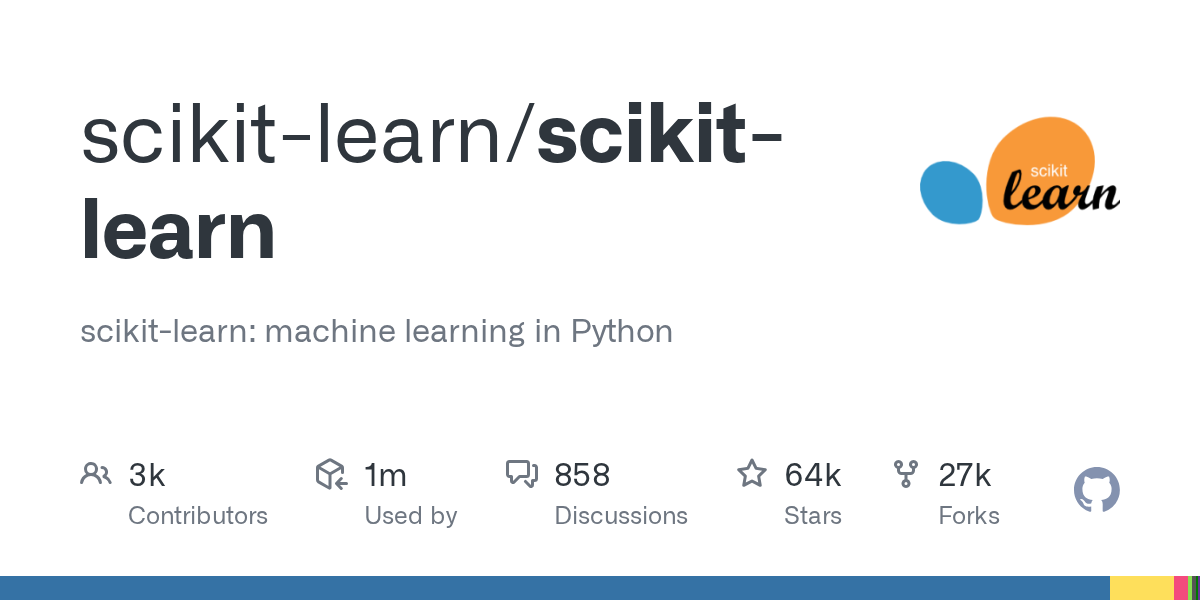
scikit-learn is a widely-used open-source Python library for machine learning, built upon SciPy. It provides a comprehensive suite of tools for data mining and data analysis, making it an indispensable resource for developers and data scientists. With its extensive algorithms and user-friendly interface, scikit-learn simplifies complex machine learning tasks.
Repository Information
Topics
Click on any tag to explore related repositories
Use at your own risk
OSRepos shares public repositories for knowledge and discovery only. Any installation, execution, configuration, or use of code from these repositories is the user's own responsibility. Always review the repository, source code, dependencies, licenses, and security implications before running or installing anything. OSRepos is not responsible for issues, damages, or losses resulting from third-party repositories.
Introduction
scikit-learn is a powerful and versatile open-source Python library dedicated to machine learning. Built on top of SciPy, NumPy, and Matplotlib, it offers a wide range of supervised and unsupervised learning algorithms, including classification, regression, clustering, and dimensionality reduction. Since its inception in 2007 as a Google Summer of Code project, scikit-learn has grown into a cornerstone of the data science ecosystem, boasting over 64,000 stars and 26,000 forks on GitHub, reflecting its immense popularity and active community. It is distributed under the BSD-3-Clause license, ensuring its accessibility and flexibility for various applications.
Installation
Getting started with scikit-learn is straightforward. If you already have NumPy and SciPy installed, you can easily install the library using pip or conda.
Using pip:
pip install -U scikit-learn
Using conda:
conda install -c conda-forge scikit-learn
For more detailed instructions and information on dependencies, refer to the official installation guide.
Examples
scikit-learn provides a rich set of examples and tutorials demonstrating its capabilities across various machine learning tasks. From simple linear regression to advanced clustering techniques, the library's documentation includes numerous code snippets and datasets to help users understand and implement algorithms effectively. These examples cover a broad spectrum of applications, showcasing how to preprocess data, train models, evaluate performance, and visualize results. Explore the official documentation examples to see scikit-learn in action.
Why Use scikit-learn?
scikit-learn stands out for several compelling reasons:
- Comprehensive Algorithms: It offers a vast collection of state-of-the-art machine learning algorithms for various tasks.
- Ease of Use: Its consistent API makes it easy to learn and apply different models.
- Robust Documentation: The project provides extensive and clear documentation, including user guides and examples.
- Active Community: A large and supportive community contributes to its development and offers assistance.
- Integration: Seamlessly integrates with other Python libraries like NumPy, SciPy, and Matplotlib, forming a powerful data science stack.
- Open Source: Being open source under a permissive license, it's free to use and modify for both commercial and academic purposes.
Links
- GitHub Repository: https://github.com/scikit-learn/scikit-learn
- Official Website: https://scikit-learn.org
- Documentation: https://scikit-learn.org/stable/
- Issue Tracker: https://github.com/scikit-learn/scikit-learn/issues
- Blog: https://blog.scikit-learn.org
Related repositories
Similar repositories that may be relevant next.
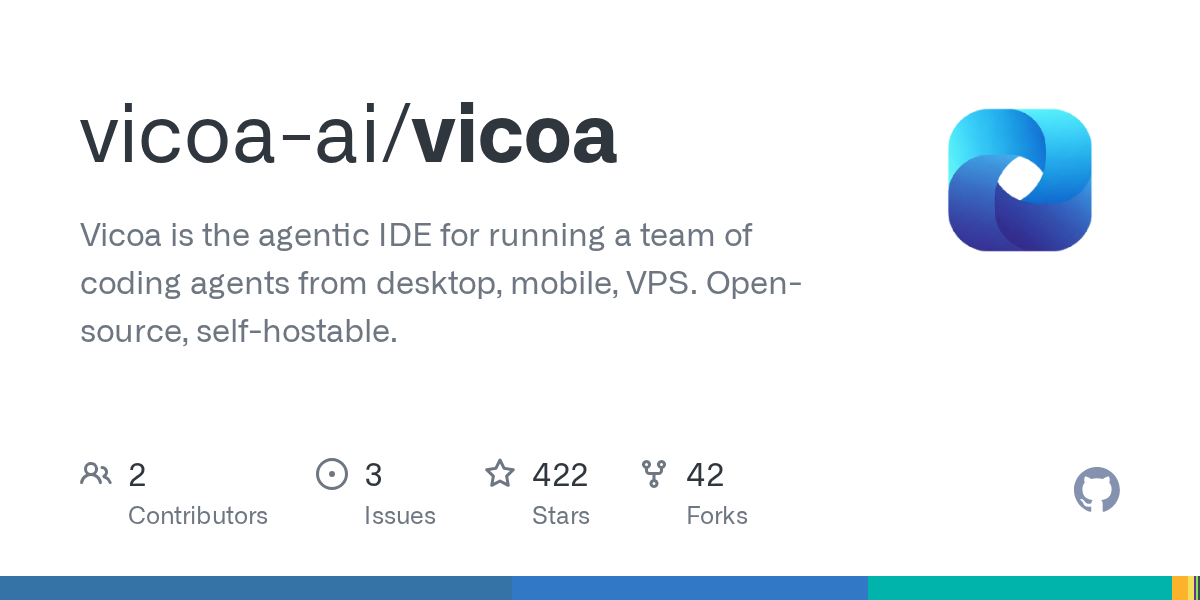
Vicoa: Agentic IDE for Orchestrating Coding Agents Across Devices
September 29, 2026
Vicoa is an open-source, self-hostable agentic IDE designed to orchestrate a team of coding agents. It enables developers to run and steer multiple AI agents from various devices, including desktop, mobile, and remote servers, providing a unified command center for development workflows.
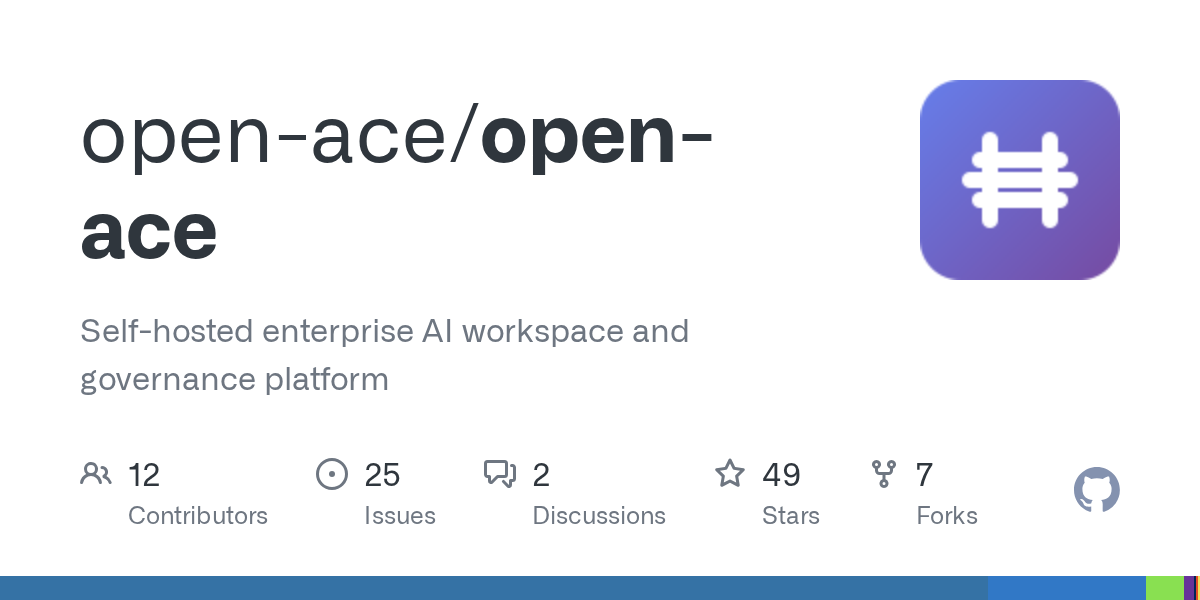
Open ACE: Self-Hosted AI Coding Agent Workspace and Governance Platform
September 28, 2026
Open ACE is an open-source, self-hosted platform designed for managing AI coding agents within enterprise environments. It provides a unified workspace for various AI tools, enabling remote execution and robust governance features for API keys, costs, and compliance. This platform is ideal for organizations integrating AI coding agents into their development workflows, especially those requiring private deployment and centralized control.
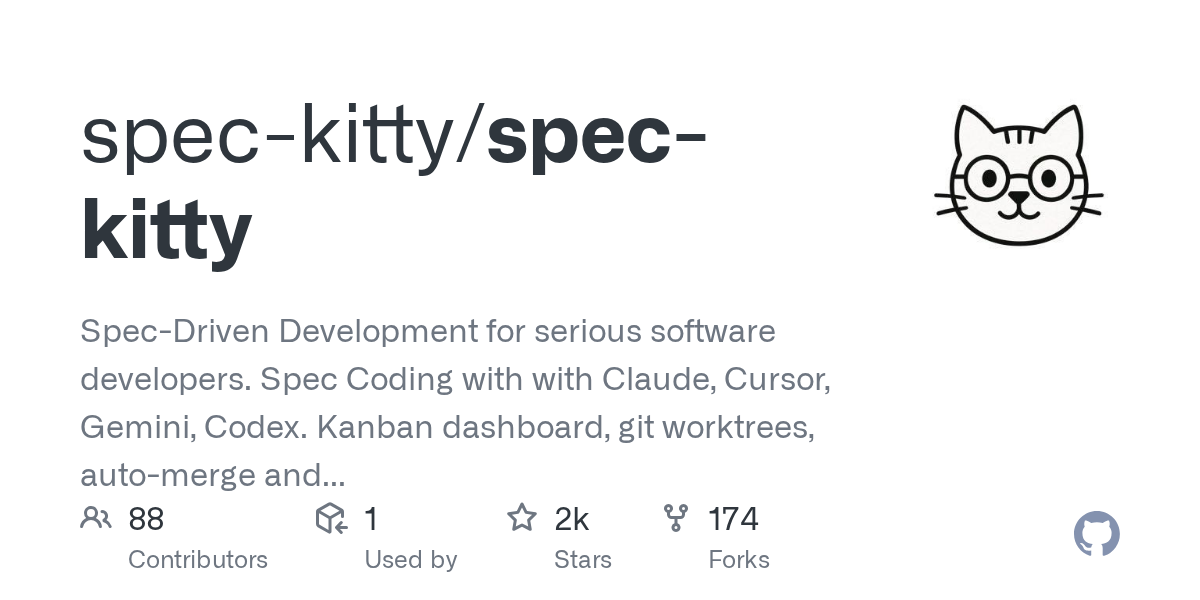
Spec Kitty: Spec-Driven Development for AI Coding Agents and Software Factories
September 27, 2026
Spec Kitty is an open-source CLI that enables spec-driven development for AI coding agents and multi-agent workflows. It transforms product intent into a structured, repo-native AI coding workflow, providing isolated git worktrees and a clear lifecycle for development tasks. This tool helps teams build governed software factories, ensuring visibility and traceability in AI-assisted software development.
Graphon: A Python Graph Execution Engine for Agentic AI Workflows
September 26, 2026
Graphon is an innovative Python-based graph execution engine designed for building agentic AI workflows. It provides a robust framework for orchestrating complex AI tasks, featuring event-driven execution, graph validation, and shared runtime state. This evolving repository already includes a functional engine, built-in nodes, and end-to-end examples for developers.
Source repository
Open the original repository on GitHub.
15 counted GitHub visits