Rising this week: Orca and skills lead the coding-agent wave
OSRepos’ weekly ranking is led by tools for coordinating coding agents and applying engineering workflows. Projects for codebase context, model routing, agent memory, and sandboxing also gained stars.
A week centered on coding agents
From October 18 to 25, the biggest star gains in OSRepos’ rising-project ranking went to tools that help developers use coding agents in practical workflows. The list spans agent workspaces, reusable engineering methods, codebase exploration, model routing, shared memory, web access, and security controls. Growth figures below are weekly GitHub star gains measured daily by OSRepos; statuses are OSRepos catalog labels.
The 12 projects gaining the most stars
orca led the week with 9.5k stars gained and 10.0% growth; its status is Active. It provides a desktop and mobile workspace for running agents side by side in isolated Git worktrees, with local or SSH monitoring and steering across macOS, Windows, and Linux.
skills gained 7.4k stars (2.5% growth) and is Active. Its composable skills bring practices such as requirements clarification, test-driven development, debugging, and code design into agent workflows, without requiring an end-to-end process framework.
graphify added 6.7k stars (5.2% growth) and is Active. It builds queryable knowledge graphs from code and other project files, helping developers and coding assistants trace relationships and paths through a codebase without relying on a vector store.
opencode gained 5.7k stars (2.6% growth) and is Active. The open source coding agent includes build and read-only plan agents, a terminal UI, and desktop apps in beta.
ECC added 5.6k stars (2.0% growth) and is Active. Built around Claude Code, the toolkit also has native plugin paths for Codex and Qoder and adapters for other agents. Its reusable skills, specialized agents, hooks, memory, and security scanning support planning, testing, and review.
freellmapi gained 4.4k stars (12.0% growth) and is marked New. The self-hosted TypeScript router puts free provider accounts and custom OpenAI-compatible endpoints behind one API, selecting models, tracking quotas, and retrying across providers.
superpowers added 3.4k stars (1.1% growth) and is Active. It guides coding agents through a structured development process, from clarifying requirements and planning to test-driven implementation and review.
ai-memory also gained 3.4k stars, with 33.7% growth, and is marked New. This self-hosted Rust service records agent activity in a searchable, git-backed Markdown wiki and supports handing work between agents without requiring LLM calls.
Agent-Reach gained 3.1k stars (3.1% growth) and is Active. Its Python CLI helps agents read and search sources including YouTube, Reddit, GitHub, and Twitter. Some integrations work immediately; others need login or configuration.
OmniRoute added 3.1k stars (3.9% growth) and is Active. The self-hosted gateway gives tools and applications one endpoint for multiple model providers, with configurable routing, quota-aware fallback, and optional token compression.
OpenShell gained 3k stars (18.1% growth) and is Active. It runs agents in isolated sandboxes and applies policies to file, process, and network access, addressing teams’ need to give agents tools and credentials without unrestricted access to host resources.
ruflo also added 3k stars (3.9% growth) and is Active. The TypeScript harness for Claude Code and Codex supports coordinated agent teams, persistent memory, workflow automation, and MCP integrations.
What to watch
The week’s leaders point to several distinct developer needs: keeping parallel agents organized, giving them repeatable engineering practices, and supplying context about code and prior work. Routing and sandboxing projects address a different part of the stack, namely how agents reach models and what they can access. With both established Active projects and newer entries among the fastest growers, star gains offer a snapshot of interest, while each project’s scope helps distinguish what it is built to do.
Sources
Projects in this post
orca: Orchestrate Coding Agents Across Worktrees
Orca is a desktop and mobile workspace for running coding agents such as Codex, Claude Code, OpenCode, and Pi side by side. It isolates agents in Git worktrees and lets you monitor and steer them locally or over SSH on macOS, Windows, and Linux.
ActiveHealth 82/100
skills: Apply Engineering Workflows to Coding Agents
A collection of composable agent skills that brings engineering practices such as requirements clarification, TDD, debugging, and code design into coding-agent workflows. It suits developers who want to guide agents without adopting an end-to-end process framework.
ActiveHealth 63/100
graphify: Turn Codebases into Queryable Knowledge Graphs
Graphify builds a queryable knowledge graph from code, documentation, schemas, and other project files. It helps developers and AI coding assistants explore relationships, trace paths, and understand codebases without relying on a vector store.
ActiveHealth 67/100
opencode: Work with an Open Source AI Coding Agent
OpenCode is an open source AI coding agent for developers who want AI assistance in their coding workflow. It offers build and read-only plan agents, a terminal UI, and desktop apps in beta.
ActiveHealth 86/100
ECC: Improve Claude Code and Coding-Agent Workflows
ECC is an agent-harness toolkit built around Claude Code, with native plugin paths for Codex and Qoder and adapters for other coding agents. It adds reusable skills, specialized agents, hooks, memory, and security scanning to help teams plan, test, review, and improve code systematically.
ActiveHealth 74/100
freellmapi: Route LLM Requests Through One API
FreeLLMAPI is a self-hosted TypeScript router that combines free LLM provider accounts and custom OpenAI-compatible endpoints behind one API. It selects models, tracks quotas, and retries across providers, mainly for personal experimentation and development.
NewHealth 76/100
superpowers: Add a Software Development Methodology to Coding Agents
Superpowers is a composable skills framework and software development methodology for coding agents. It guides work from requirements and planning through test-driven implementation and review, with integrations for multiple coding-agent platforms.
ActiveHealth 60/100
ai-memory: Share Long-Term Memory Across Coding Agents
A self-hosted Rust service that captures coding-agent activity into a searchable, git-backed Markdown wiki and hands work between agents. It suits developers and teams who want portable project memory without requiring LLM calls.
NewHealth 84/100
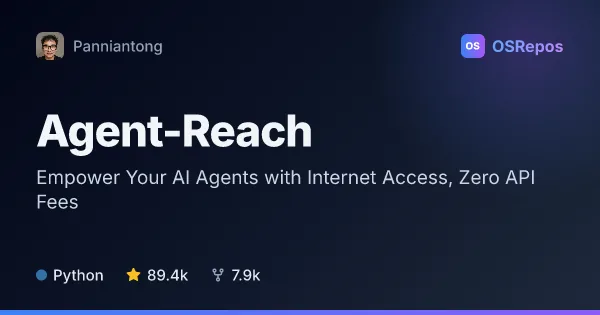
Agent-Reach: Give AI Agents Access to Web Sources
Agent-Reach is a Python CLI that helps AI agents read and search across websites and platforms such as YouTube, Reddit, GitHub, and Twitter. It installs and checks integrations, with some sources available immediately and others requiring login or configuration.
ActiveHealth 57/100
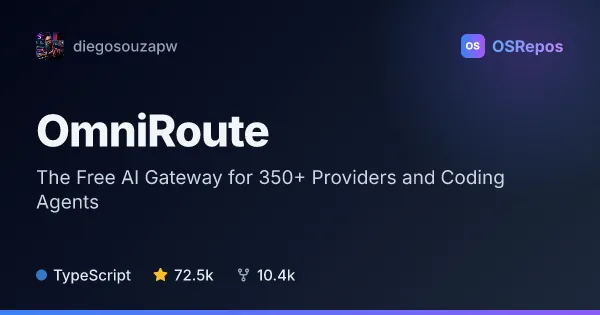
OmniRoute: Route AI Tools Through One Gateway
OmniRoute is a self-hosted AI gateway that gives coding tools and applications one endpoint for many model providers. It adds configurable routing, quota-aware fallback, and optional token compression, with support for free and paid provider accounts.
ActiveHealth 72/100
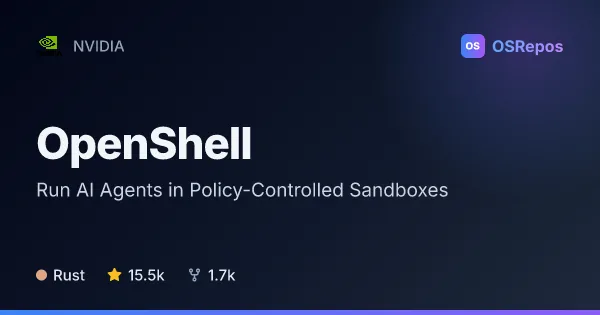
OpenShell: Run AI Agents in Policy-Controlled Sandboxes
OpenShell runs autonomous AI agents in isolated sandboxes and applies policies to their file, process, and network access. It suits teams that need agents to use tools and credentials without unrestricted access to host data or services.
ActiveHealth 78/100
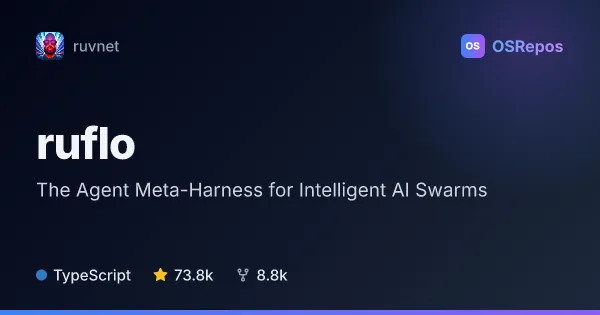
ruflo: Coordinate AI Agents and Autonomous Workflows
Ruflo is a TypeScript agent harness for Claude Code and Codex. It adds coordinated agent teams, persistent memory, workflow automation, and MCP integrations for developers building multi-agent systems.
ActiveHealth 72/100
Found this useful?
Share it with someone who follows open source.
Written with the help of AI from the sources listed above and OSRepos data, and reviewed before publishing. How we measure projects.